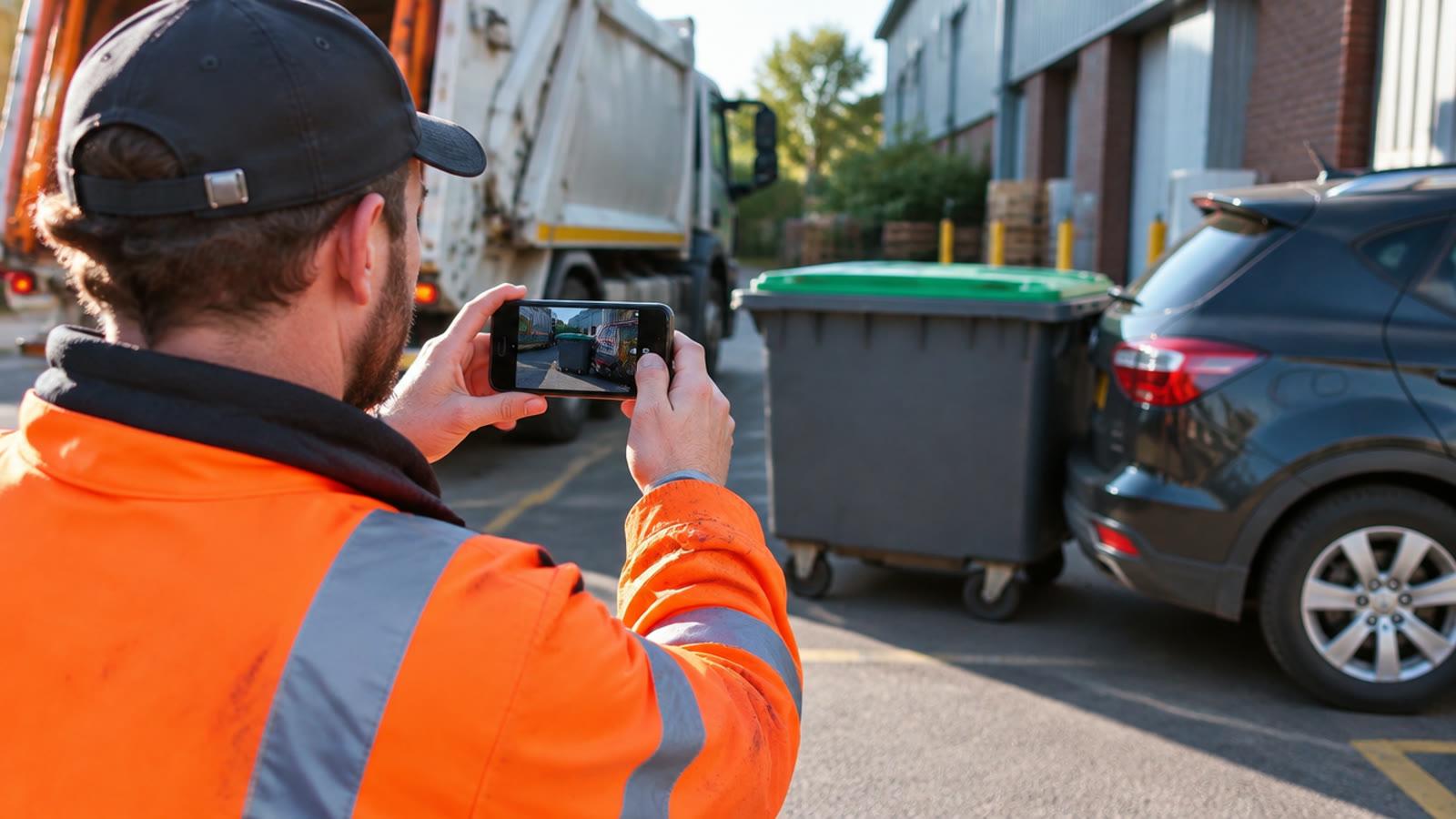

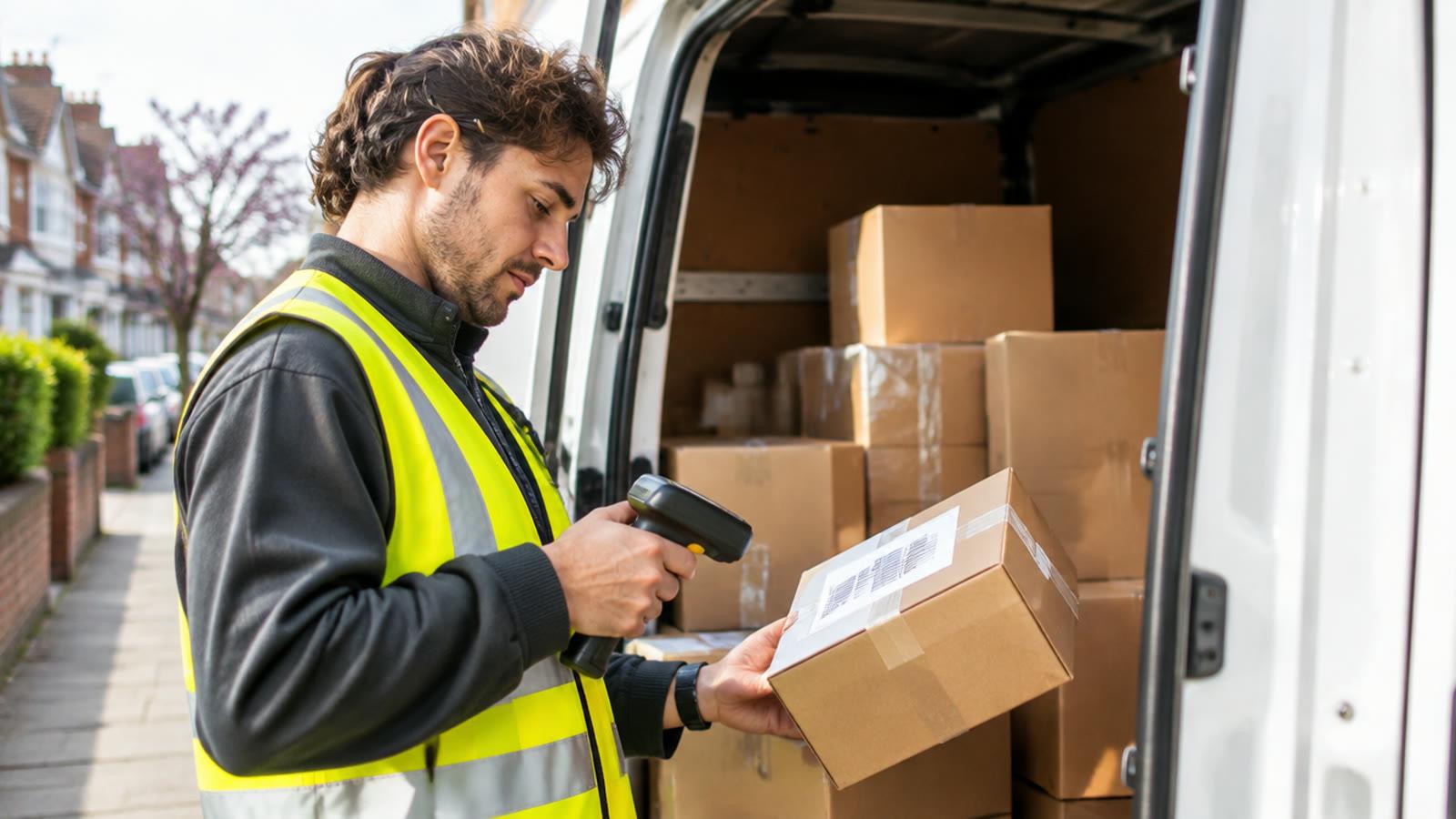
You cut the "where is my delivery" calls by telling the customer what's happening before they think to pick up the phone. So you send a message at the few moments they actually care about, and you give them a link where they can see the ETA and the proof of delivery for themselves. Then the simple "where is it" questions get answered from live data, and your office only deals with the problems.
Why the calls happen in the first place
A customer rings because they don't know something and they need to plan around it. Somebody is waiting in for a delivery, or a warehouse has a bay booked, or a site manager has a crew stood around waiting for materials.
What we see is the same few gaps behind nearly every call. The customer got a booking confirmation and then heard nothing. Or the ETA moved because the driver got stuck on the M62, and that change sat in the planner's head and never went out to the customer.
Failed deliveries are the worst for it. The driver turns up, nobody's in or the site is shut, and the customer finds out a day later with no reason given. And when the goods do arrive, the proof of delivery is sitting on a handheld or in a folder somewhere, so when the customer's accounts team asks for it, someone in your office has to go and dig it out.
What the calls do to your office and your drivers
Each call on its own is small. Someone picks up, asks for the reference, checks the TMS or the tracking screen, maybe rings the driver, and then calls the customer back.
The problem is the driver part. When the office can't see where a job is, the quickest way to find out is to phone the driver, and the driver is usually driving. That's a safety problem before it's a time problem, and it slows down every drop after it.
And then there's the knock-on that doesn't show up until month end. If the POD isn't attached to the invoice, the customer's accounts team holds the payment and asks for it. You end up with disputes over whether something was delivered, and invoices going out late because someone is still matching paperwork to jobs.
The moments a customer wants to hear from you
The aim is to message people at the points where they'd otherwise ring you, and that's only a handful of moments per delivery. This is the table we'd start from with a transport or courier business, and then we'd change it to fit how yours runs.
| Moment | What to send | Who handles the exception |
|---|---|---|
| Booked | Confirmation with the delivery date, the time window and a tracking link | Office, if the date can't be met |
| Out for delivery | Message on the morning with a tighter window and the same link | Planner, if the run changes |
| Delayed | A new ETA as soon as it moves, with a short reason | Planner, who decides whether to rebook |
| Delivered | Confirmation with the POD (signature, photo, name of who took it) on the link | Office, if the customer disputes it |
| Failed | What happened, the photo or note from the driver, and how to rebook | Customer service, who sorts the rebooking |
The delayed and failed rows are where we'd put the effort first. The customer is already a bit annoyed at that point, and hearing it from you before they ring changes how the conversation goes.
A worked example with made-up numbers
These are made-up round numbers, just to show how it adds up. Say you do 1,000 drops a day and one customer in twenty chases you about a delivery. That's 50 calls or emails a day into the office.
Say each one takes about five minutes once you count looking it up and calling back. That's over four hours a day of someone's time, and in our example maybe 15 of those calls end with someone ringing a driver who's on the road.
Now say proactive updates and a tracking link take out half of those, because the customer already has the answer. You've given the office two hours a day back and taken a lot of those calls off your drivers. Rough numbers, but you get the point.
Letting AI answer "where is it"
Once the updates are going out, you'll still get people asking. That's where an AI assistant on the phone line, email and web chat helps, as long as it's working from live data.
So a customer asks where their pallet is. The assistant looks up the job in the TMS or telematics, reads back the current ETA or the POD, and that's the end of it. If the question is anything else, like a complaint, a damaged item or a change to the booking, it logs it and hands it to a person with the details already filled in.
The part people get wrong is letting the AI guess. It should only say what the system actually shows, and it should never promise a time the system doesn't have. We've written more about that in what an AI chatbot should never say to a customer, and about how we check it in how to test an AI agent before customers see it.
Get the POD onto the invoice
The other half of this is the paperwork. If the driver captures the POD on their phone at the job, with a signature, a photo and a timestamp, it can go straight onto the tracking link and straight onto the job record.
From there it gets attached to the invoice automatically. So when the customer's accounts team asks for proof, it's already there, and you're not holding invoices back while someone hunts for paperwork. That's the bit we cover in the field app and the back office side of Agentryx One.
What stays with a person
Some things should always go to someone on your team, even with a good system behind it.
- Claims and damaged goods
- A customer who is angry or threatening to leave
- Credits, refunds and anything else that moves money
- Anything where the system doesn't have a clear answer
The AI can collect the details, attach the photos and the POD, and put it in front of the right person. A person signs off anything that goes to a customer as a decision or that moves money.
When this isn't worth fixing with software
If you've got a small number of regular B2B customers who get a daily delivery schedule and know your drivers by name, you probably don't have this problem. A phone call now and then between people who know each other is fine.
The same goes if your TMS already sends good updates and the calls are low. In that case, before you buy anything, look at whether the messages are going out at the right moments and whether the failed delivery ones explain what happened. Sometimes it's a settings change.
Where it is worth it is when you've got a lot of drops to people who don't know you, the office spends a big part of the day answering the same question, and POD is holding up your invoicing.
Where we'd start
We build Agentryx One around how your business already works. It connects to your TMS, your telematics and your accounting rather than replacing them, so the customer updates and intake parts work from data you already have. Then we run it for you on a contract, and the data stays yours.
If you want to see it on your own operation, book a 30-minute call. We'll look at how the business runs today and show you what we'd hand over to AI first. You can also read more about how we work with transport and logistics businesses.